Do you need a landing page? Umm… yes.
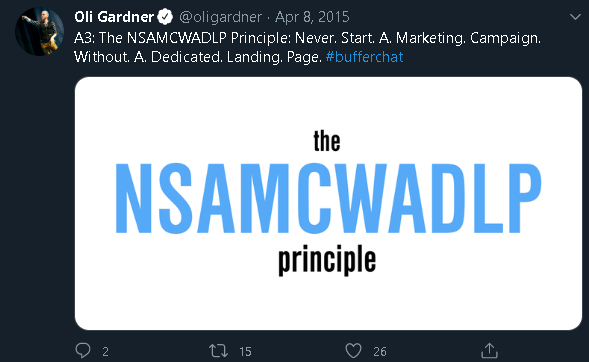
The co-founder of Unbounce and digital marketing expert, Oli Gardner, agrees.
But do you need lots of landing pages? Yes!
According to this research as well, the number of landing pages is directly proportionate to the increase in conversion rates. Companies that have 10-15 landing pages showed almost fifty-five per cent increase in lead generation and conversion compared to the ones that have ten or fewer.
Why?
Let’s figure out together!
What is a landing page?
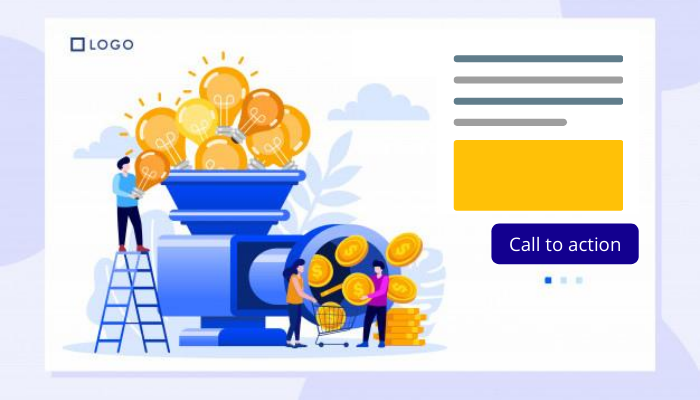
Simply put, a landing page is where customers land on by clicking a paid ad. In the world of marketing, where a business’ marketing efforts and sales pipeline take off. It works separately from your website and is a preferred online e-mail marketing tool for two reasons
- It is a teaser to your business. You tell your customers what you care about and how your services or products can make a difference in your life.
- It doubles up as a lead generation tool. As Neil Patel suggests, assuming that the CTR is bang-on and the campaign reaches out to your targeted segment, the customers would be okay to further slide down the sales pipeline.
A landing page has one job. To convert. To get you leads through targeted ads on social media, or via e-mail marketing campaigns or PPC. Therefore, have a high chance of a conversion. Since it is a separate page, its reporting, feedback and analytics become much more manageable.
However, don’t fall into the trap of thinking landing pages as a cure-all for your lead generation challenges. Creating landing pages is challenging, and making landing pages that work, are functional and beautiful is a Herculean task. It isn’t an overnight solution to bring traffic and generate leads either. Only one out of fifty people who would land on your landing page would go for CTA, making the average conversion rate on landing pages across industry verticals is mere 2.5 per cent.
So, what is it?
All landing pages are pretty. But why don’t they convert? Landing pages receive traffic from paid ads.So, your actual work starts much before dolling up a landing page, okay, launching an ad campaign, then? No much before that!
Irrespective of how you are launching an ad campaign-via a PPC ad, an e-mail or social media, you need to get your CRM database right. All campaigns are kicked off using the data of CRM. If the database your business is sitting on is dirty, you can’t expect to kick off a successful ad campaign and of course, can only dream away for a landing page that converts. This survey suggests that poor data hygiene costs $614 billion to U.S. companies alone. Bad data translates into work-impacting scenario across the processes. It increases operational costs, results in unproductive work hours, dissatisfied customers and poor business processes.
Data hygiene is no longer optional. De-clutter your data for sound business decision.
Why should you hire a data mining service provider?
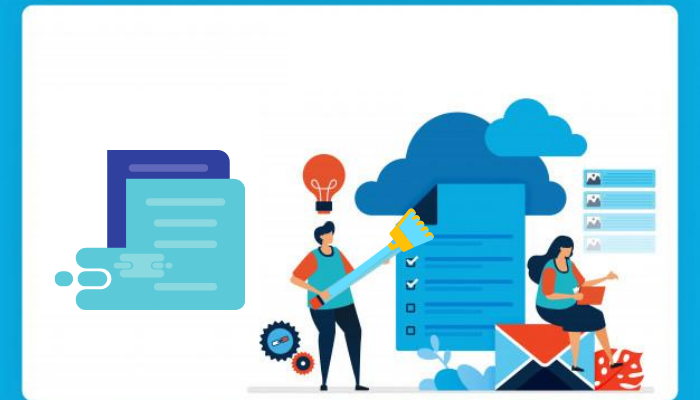
The data quality 1-10-100 rule tells you that wise humans have been saying all these years. Prevention is better than cure. It costs you $1 to prevent the onset of data decay, $10 to rectify the data and $100 to counter its failure.
For instance, without e-mail data validation, an e-mail campaign can cost your business three times more than a targeted campaign. Not to mention, the less than three per cent response rate!
Why your CRM database is dirty?
Often companies get data from web scraping services, and as a result, the data could be inconsistent, copied and repetitive leading to poor data quality.
And also, because it is natural. People move to new cities; they change job titles and don’t give a damn about your database. Moreover, your salespeople could be in a hurry to fill the lead forms, or to complete their quota with typos or unfortunately, sometimes with false information.
So. if you want to run a successful ad campaign and make a landing page that works and brings you sales leads, fix your data hygiene first with data mining services. Let them find the hotspots for errors and rectify them. An integral part of data mining is data scrubbing and e-mail appending services.
Data scrubbing consist of cleaning the data of inconsistencies, syntax, validation and other inaccuracies. Enhancing the data with rich and relevant information of a targeted user base is called data appending or to be precise, e-mail appending or email verification for an e-mail marketing campaign.
Often when a salesperson would fill information manually, they would leave the demographics or buying preferences. They wouldn’t write a user’s age, demographics or buying choice. A data verification service provider not only does this for you but also gives it a structure and consistent pattern. So, next time when you are doing an address search from a database, you know that you would find it.
So, if you want people to land on your landing page, and not turn it into a no man’s land, you know what to do now!
Alright. But why do I need as many?
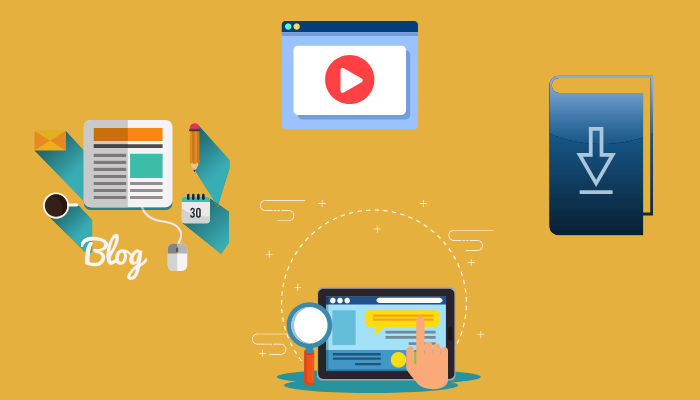
A business needs a different landing page at each step of a sales pipeline. People coming from a social media contest require a landing page with a suitable CTA. Similarly, so would incoming traffic from a blog, a webinar registration, an e-book download, a guest post or a YouTube channel. It helps you to track the traffic, figure out what works and what doesn’t while giving you as many avenues to open new possibilities. A landing page puts the spotlight on you by targeting the right set of customers.
Elements of a successful landing page
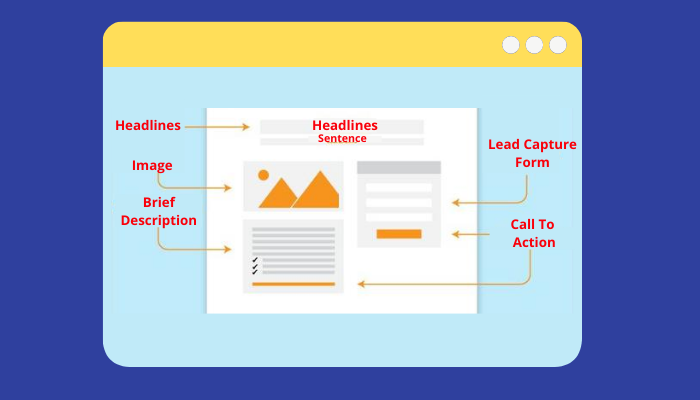
The first impression is the last. But nobody has told you that these first impressions take the only 1/20th of a second. The best part is you can have as many landing pages as you want. The bad news is there is no written rule or ten commandments set in stone as to what works.
It is mostly the collective knowledge that everybody works with and a simple rule that states eighty per cent of people remember visuals. But your aim should be to create a well-designed and balanced landing page that is visually delightful and pleasing. No noise and clutter, please!
The Conversion Rate Experts suggest that some changes in landing pages and banking on trust elements led to a jump in revenue for Moz. Would you not want to sail in the same boat?
If your answer is ‘Yes’, scroll down for lowdown on how to make a great landing page that brings revenue and relevant traffic to your website!
A landing page is meant for conversion. It is designed to do one work, which is to get clicks and convert. Here are some of the critical elements that make a landing page, exceptional and functional.
Copy: A great headline and a succinct copy with a simple CTA are the non-negotiable attributes that hold the key to success. A catchy headline will prevent bounce rate and prompt the users to read more. The to-the-point copy will tell the customers what is in it for them. Similarly, you wouldn’t like your customers to keep guessing what they are supposed to do once they land on your page. So. a well-thought-out CTA is a must.
What should your content look like? Types of content on a landing page:
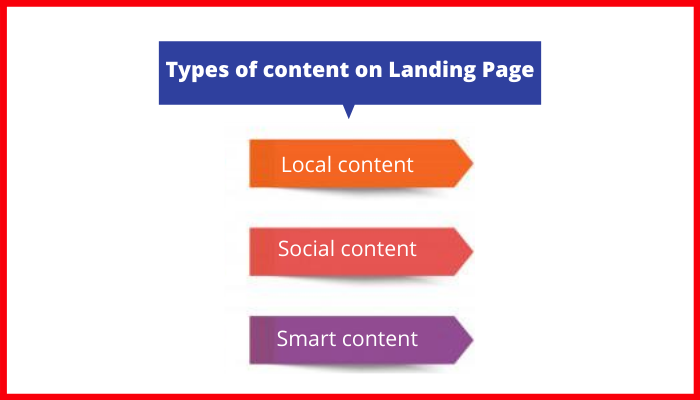
- Local content: Relevancy is the keyword here. If you can add local elements such as regional language, a local icon can take you a long way in search engine indexing and conversion.
- Social content: It is advisable to have different landing pages for social media. Your audience on Facebook, Twitter and LinkedIn is diverse and should be targeted separately to increase engagement rates.
- Smart content: Apart from persuasive content, animation, GIFs, memes, and customised content is the way to go! However, it is recommended that you use them in a balanced manner and do not go overboard with any of it.
Your content should answer:
Why: The customers should know why they are at your landing page.
What: What’s your USP?
How: How your product can help them?
Trust emblem: The trust indicators for your business is a logo, customer testimonials and aggregators’ stamp of approvals. If a customer reads a positive review about a service or product, they are more likely to respond and convert into a potential lead. Ensure an optimised flow for your customers.
Keep it simple, silly: Landing pages are a dedicated way to tap into a prospective set of customers. Therefore, directing them to your website isn’t a smart idea. While a single CTA button can increase your conversion rate by sixty per cent, it is wise to keep the form and CTA easy to understand.
Form a connect: Think of a landing page as an experience that you are bringing forth to your customers. So, there shouldn’t be a disconnect at all from a PPC ad, social media ad campaign or e-mail they are coming from. They shouldn’t be taken away with surprise and have to cross-check if they are a secure connection or right page.
Make it pop: Your CTA button should stand out in the grand scheme of things. While it should ‘gel’ with the rest of the page, a customer should know the outcome. It has been observed that a ‘Free subscription to 10-day trial’ work any day better than a ‘sign-up.’
Steer clear of third-party navigation links: Having an external link on a landing page can make customers leave the landing page and move on to the said link. So, even if your landing page is offering a download or registration, it should happen there, without letting the customers leave.
Have a privacy statement: Tell your customers that you won’t sell their data anywhere. Yes, it is crucial. However, be it your website link, social media profiles or anything that can “distract” them from a landing page, should be kept in the footer space, which should also be the minimum. Often a landing page has so much going for it, and you wouldn’t have much space left for it anyway!
The lead generation form: Aha, finally! The only thing that you are going through the trouble of it. Ponder over your target customers and their information. What exactly do you want from them? Often, B2C businesses find that the customers aren’t comfortable giving away their data but the question is, will they check their e-mails even? B2B sales leads, however, thrive on direct contacts. So, figure out your target audience, opt for data scrubbing services, derive action-oriented insights and go for it!
Formulate the exit stage: There are two outcomes to a customers’ arrival at a landing page:
- Assuming that the CTA is apt and a landing page is excellent, a customer would leave the desired details with you
- The customers would like to get off as soon as they land.
In each scenario, you should have an exit strategy ready for them. If a customer leaves without leaving details, think of incentivising the exit. Then, you can think of redirecting them to your website, social media sites or blog where you can hold them off for a little bit longer.
Similarly, hoping that your customers expect the way you want them to, go for a simple Thank-You message with the relevant details in the e-mail and maybe an offer or promo code.
More than sixty-five per cent of B2B businesses believe in the lead generation capabilities of landing pages. Unfortunately, for most of them, it is either poorly designed or take the customers to the home page.
Don’t make these mistakes and make your landing page great. Start from scratch and get down to the basics, first! Optimise your ad campaign and landing page experience with the power of data! Get your CRM database cleaned. Hire a skip tracing services provider and ensure that your ad campaign is reaching out to the customers that are the right fit for you.